Source luxury floral woven tablecloth for Home, Hotel, Outdoor
Compare 30 listings of luxury floral woven tablecloth featuring polyester and PVC materials with waterproof and anti-static properties. Buyers can evaluate customization options, MOQs, and specifications for home, hotel, and outdoor applications.
Key considerations
Products List


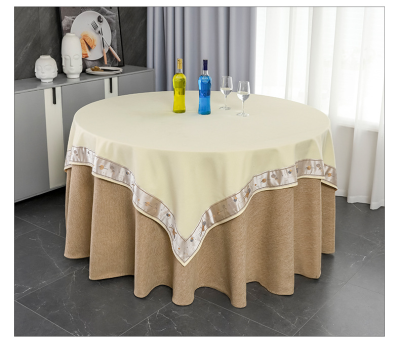

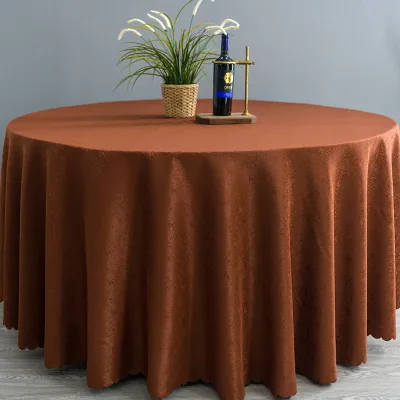


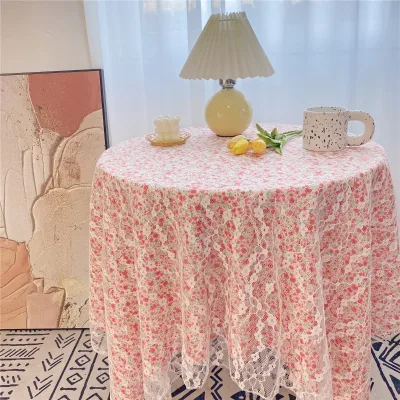
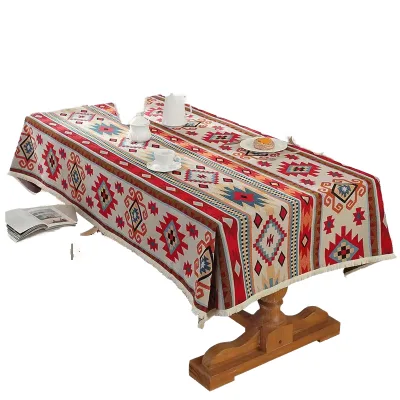


Comprehensive Sourcing Guide
Luxury Floral Woven Tablecloth Sourcing Guide
Sourcing luxury floral woven tablecloths requires a nuanced understanding of textile construction, material composition, and aesthetic execution. Unlike printed fabrics, woven designs are created during the manufacturing process, offering superior durability and a tactile depth that elevates the dining experience. Buyers must distinguish between true woven jacquards and printed imitations, as the latter often lack the structural integrity and premium feel associated with high-end hospitality and residential decor. The visual complexity of floral motifs demands precise loom settings and high-quality yarns to ensure that patterns remain crisp and colors remain vibrant after repeated use and laundering.
The procurement process involves balancing aesthetic desires with functional requirements, particularly regarding stain resistance, washability, and fabric weight. While the market offers a wide array of options, from simple plain weaves to intricate multi-color jacquards, the "luxury" designation typically implies a higher thread count, natural or high-grade synthetic blends, and sophisticated finishing techniques. Buyers should focus on verifying the specific composition of the fabric, as materials like polyester, cotton, or PVC blends each offer distinct advantages in terms of cost, maintenance, and visual appeal. Understanding these material properties is essential for selecting the right product for specific use cases, whether for high-traffic hotel dining rooms or intimate residential settings.
Product Scope and Observed Listing Signals
The current market landscape for decorative table linens reveals a diverse range of product types, with plain and decorative patterns being the most common offerings. Observed listings indicate a strong emphasis on customization, with many suppliers welcoming OEM and ODM requests to tailor designs to specific brand identities. The observed price range spans from approximately $0.30 to $42.88 USD, reflecting the vast difference between basic printed polyester options and high-end, intricately woven jacquard pieces. This wide variance underscores the importance of defining clear quality benchmarks early in the sourcing process to avoid misalignment between budget expectations and product reality.
Minimum Order Quantities (MOQs) vary significantly, ranging from as low as 20 pieces to as high as 10,000 pieces, depending on the complexity of the weave and the material used. For instance, some suppliers offer low MOQs of 30-50 pieces for standard decorative items, while others require bulk commitments of 2,000 meters per design for specialized yarn-dyed or jacquard fabrics. Sample times are generally short, typically between 3 to 7 days, allowing buyers to quickly evaluate quality before committing to larger orders. Understanding these commercial signals helps buyers structure their procurement strategy, balancing the need for variety and customization against the economies of scale offered by larger production runs.
Technical Specifications to Verify
Verifying the technical specifications of a tablecloth is critical to ensuring it meets both aesthetic and functional requirements. Key attributes to confirm include the material composition, which can range from 100% polyester to blends involving cotton, PVC, or other synthetic fibers. For example, some products are composed of 75% PVC, 20% polyester, and small percentages of ink and glue, offering specific waterproof and anti-static properties, while others are 100% polyester with a weight of 170 GSM, providing a lighter, more breathable feel. Buyers must also verify the craftsmanship, distinguishing between printed, embroidered, and jacquard woven techniques, as each method impacts the durability and visual depth of the floral pattern.
Weight and standard dimensions are equally important technical factors that influence the drape and appearance of the tablecloth. Observed weights range from 170 GSM to 280 GSM, with heavier fabrics generally offering a more luxurious drape and better opacity. Standard sizes such as 90x90cm or roll dimensions like 137cm x 20m are common, but many suppliers offer customized sizes to fit specific table dimensions. Additionally, features such as waterproofing, oilproofing, and anti-scratch resistance should be explicitly confirmed, especially for products intended for commercial use where spill resistance and ease of cleaning are paramount. Buyers should request detailed specification sheets that outline these parameters to ensure consistency across orders.
Compliance and Safety Documentation
While specific certification statuses like ISO 9001 or OEKO-TEX are mentioned in background contexts, buyers must actively verify the compliance documentation provided by suppliers rather than assuming their applicability. For tablecloths used in food service environments, it is crucial to ensure that the materials, particularly any PVC or synthetic components, meet relevant safety standards for contact with food and beverages. Buyers should request test reports that confirm the absence of harmful substances and verify that the inks and dyes used in the floral patterns are non-toxic and colorfast.
Documentation should also cover the manufacturing standards and quality control processes employed by the supplier. This includes verifying that the production facilities adhere to recognized quality management systems and that the products undergo rigorous testing for durability, such as washability and abrasion resistance. For products claiming specific features like "waterproof" or "anti-static," buyers should ask for empirical data or test results that substantiate these claims. Ensuring that all compliance documentation is up-to-date and verifiable helps mitigate legal and reputational risks, particularly when supplying to high-end hotels or international markets with strict regulatory requirements.
Cost Drivers and Commercial Terms
The cost of luxury floral woven tablecloths is driven by several key factors, including material composition, complexity of the weave, and customization requirements. High-grade materials such as 100% polyester or cotton blends typically command higher prices than basic synthetic mixes, while intricate jacquard weaves or embroidered details add significant labor and production costs. Customization, such as unique floral designs or specific dimensions, often incurs additional setup fees and higher MOQs, which can impact the overall unit price. Buyers should analyze the cost structure to understand how these variables affect the final price and negotiate terms that align with their budget and volume expectations.
Commercial terms, including payment methods, shipping arrangements, and lead times, also play a significant role in the total cost of ownership. Suppliers may offer different pricing tiers based on order volume, with lower unit prices for larger commitments. Lead times can vary depending on the complexity of the order and the supplier's current production schedule, with sample times typically being short but bulk production taking longer. Buyers should clarify all commercial terms upfront, including any additional costs for packaging, such as plastic bags, insert cards, and cartons, to avoid unexpected expenses. Establishing clear communication regarding these terms helps ensure a smooth procurement process and prevents misunderstandings.
Supplier Qualification and Quality Control
Qualifying suppliers for luxury tablecloths requires a thorough assessment of their manufacturing capabilities, quality control processes, and track record. Buyers should verify the supplier's experience in producing woven fabrics and their ability to handle complex floral designs. This includes evaluating their loom technology, yarn sourcing, and finishing processes to ensure they can consistently produce high-quality products. Requesting references or case studies from previous clients, particularly in the hospitality or high-end residential sectors, can provide valuable insights into the supplier's reliability and performance.
Quality control measures should be clearly defined and agreed upon before production begins. This includes establishing clear acceptance criteria for defects, color consistency, and pattern alignment. Buyers should consider implementing pre-shipment inspections to verify that the products meet the agreed-upon specifications. Additionally, establishing a clear process for handling defects or discrepancies is essential to mitigate risks. Regular communication with the supplier throughout the production process can help identify and address potential issues early, ensuring that the final products meet the desired quality standards.
Long-Term Procurement Checks
Establishing long-term procurement relationships with tablecloth suppliers requires ongoing monitoring and evaluation to ensure sustained quality and value. Buyers should regularly review supplier performance metrics, such as on-time delivery rates, defect rates, and responsiveness to issues. This data can help identify areas for improvement and inform decisions about continuing or expanding the partnership. Additionally, staying informed about market trends and technological advancements in textile manufacturing can help buyers identify opportunities for innovation and cost savings.
Continuous improvement should be a shared goal between the buyer and the supplier. Regular feedback sessions can help align expectations and address any emerging challenges. Buyers should also consider diversifying their supplier base to mitigate risks associated with single-source dependencies. By maintaining a proactive approach to supplier management, buyers can ensure a stable supply of high-quality luxury floral woven tablecloths that meet their evolving needs and maintain their competitive edge in the market.
FAQs
What customization options are available for the tablecloth?
Customization is available for this decorative tablecloth. Buyers can request specific patterns, shapes, and sizes to match their needs. The product supports OEM and ODM services, allowing for tailored designs in polyester or cotton materials.
How long does it take to receive a sample?
Sample time is typically 3 to 7 days. This duration applies to the production of custom samples before bulk manufacturing begins. Buyers should note that minimum order quantities vary by design, ranging from 20 to 50 pieces.
Which materials are used to make the tablecloth?
The tablecloth is made from polyester, cotton, or PVC blends. Specific compositions include 100% polyester or a mix of 75% PVC and 20% polyester. These materials ensure durability and allow for features like waterproofing and anti-static properties.
Can the tablecloth be used for outdoor events?
Yes, the tablecloth is suitable for home, hotel, and outdoor use. It features waterproof capabilities and can withstand more than 10 washes. The material composition ensures it remains functional in various weather conditions while maintaining its decorative appeal.
What is the minimum order quantity for this product?
The minimum order quantity varies by specific model and design. Some items require as few as 20 pieces, while others may need 300 meters or 2000 meters per design. Buyers should check the specific model number for exact MOQ requirements.
How is the tablecloth packed for shipping?
The product is packed in cartons or plastic bags with insert cards. This packaging protects the item during transit and ensures it arrives in good condition. The standard packing method is designed to handle the specific dimensions and weight of the tablecloth.
What are the available shapes for the tablecloth?
The tablecloth is available in rectangle and round shapes. These shapes are designed to fit various table types for party decoration or home use. The standard size may be customized, or specific dimensions like 90x90cm may be selected.